Technology / 02
Renewable carbon,
made practical.
Two complementary SRNL-developed processes transform diverse biomass into valuable liquids, solids, and recoverable CO₂.
The platform
Built for materials the world has.
Efficient base-catalyzed conversion accepts wet and heterogeneous feedstocks with reduced preparation.
Feedstock
Wood, agricultural residues, and wet biomass—sourced locally.
Conversion
Catalytic chemistry under moderate operating conditions.
Value
Syncrude, chemicals, solids, and a recoverable CO₂ coproduct.
01 — Feedstock flexibility
From field
and forest to value.
Biomass offers the chemical richness of fossil resources with the economic and environmental advantages of renewability. Our platform can use materials available close to each project—reducing logistics and widening opportunity.
02 — Licensed technology
Two pathways. One scalable platform.
Conversion of Biomass by Efficient Base-Catalyzed Decarboxylation Reaction
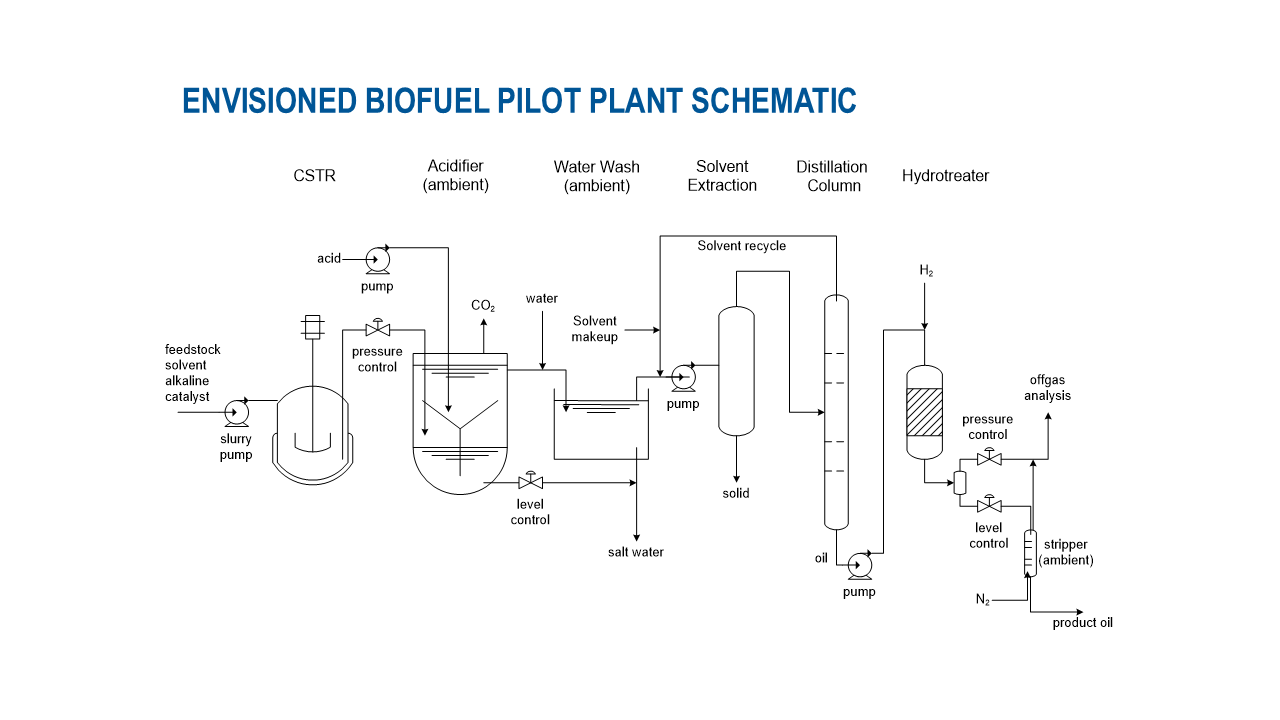
U.S. Patent No. 10,392,565 B2. Broad biomass feedstocks are converted to liquid syncrude with a CO₂ coproduct.
Biomass and Coal into Liquid Fuel with CO₂ Capture
U.S. Patent No. 8,674,152. A single-step process for co-converting biomass and carbonaceous feedstocks to liquid fuel with recoverable, high-purity CO₂.
Heat, pressure, and alkaline catalysis mirror the fundamental chemistry that transforms ancient organic matter into coal and oil—except in hours rather than millions of years. The controlled process produces renewable hydrocarbons compatible with existing refining infrastructure.
03 — Products
One feedstock family.
Many value pathways.
Starch / sugar → Oxygenated hydrocarbons
Cellulose → Glucose
Lignin → Phenol derivatives
Oil / fat → Biodiesel & glycerol
Coal → Synthetic oil
See it in action
From biomass
to bio-oil.
Proof of concept
Renewable molecules.
Familiar markets.
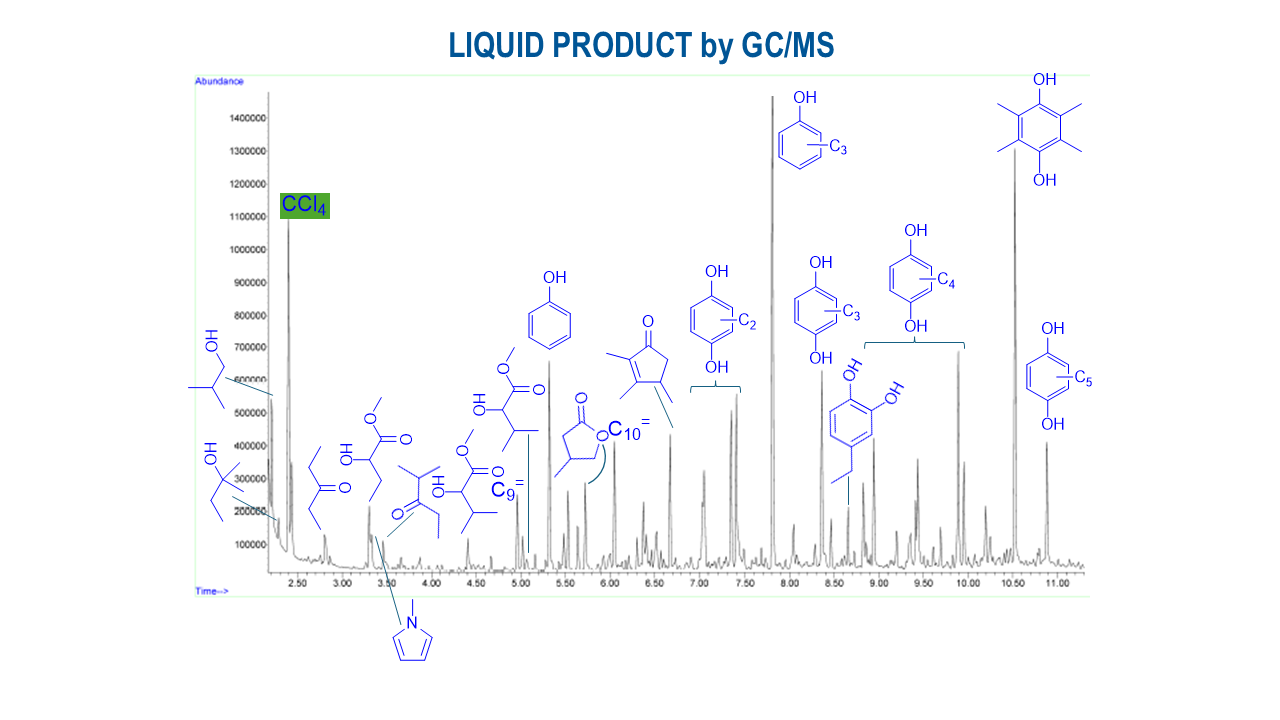
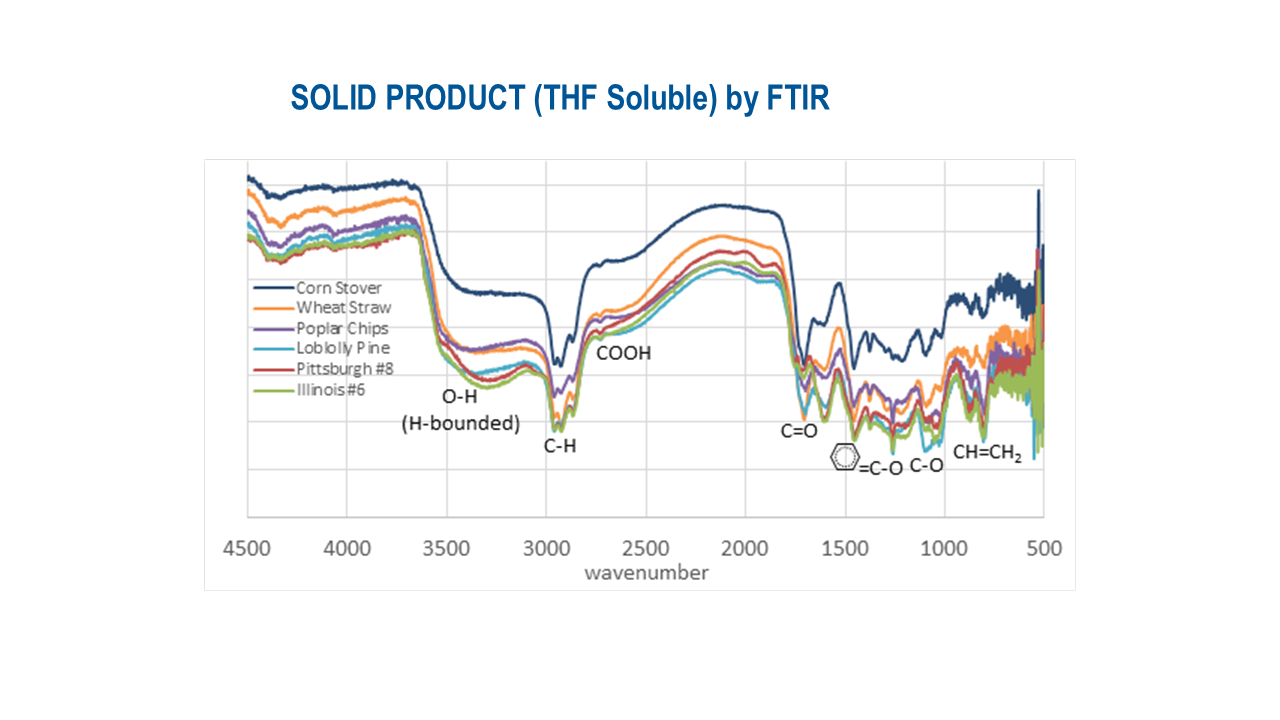
Our liquid products contain alcohols, phenols, ethers, and hydrocarbons compatible with established refining pathways.